
As opposition to large-scale data centers grows across Florida, experts say the projects planned for Miami-Dade differ significantly from the massive AI-powered facilities that have sparked environmental concerns elsewhere in the state.
Communities across Florida have increasingly rejected hyperscale data centers over worries about soaring electricity demand, heavy water consumption, and potential impacts on nearby neighborhoods. The latest example came when Palm Beach County commissioners unanimously rejected the proposed “Project Tango,” a development that critics said would have consumed as much electricity as the city of Tallahassee while sitting near the Everglades.
Project Tango joins a growing list of canceled or blocked developments, including Sentinel Grove in St. Lucie County, Silver Fox in Martin County, Deltona in Citrus County, and Okee-One in Okeechobee County. Several counties—including Leon, Nassau, Pasco, Sarasota, Citrus, and Jackson—have also enacted temporary moratoriums on new data center proposals.
Smaller Scale, Smaller Impact
Unlike the hyperscale facilities facing resistance elsewhere, the 27 existing or planned data centers in Miami-Dade—including three projects currently under development—are considerably smaller.
Traditional data centers have operated for years with relatively little public attention, but the rapid growth of artificial intelligence has fueled demand for much larger facilities capable of supporting intensive computing workloads. These hyperscale centers require enormous amounts of electricity and water to operate and cool their servers, raising concerns about strained utilities and environmental impacts.
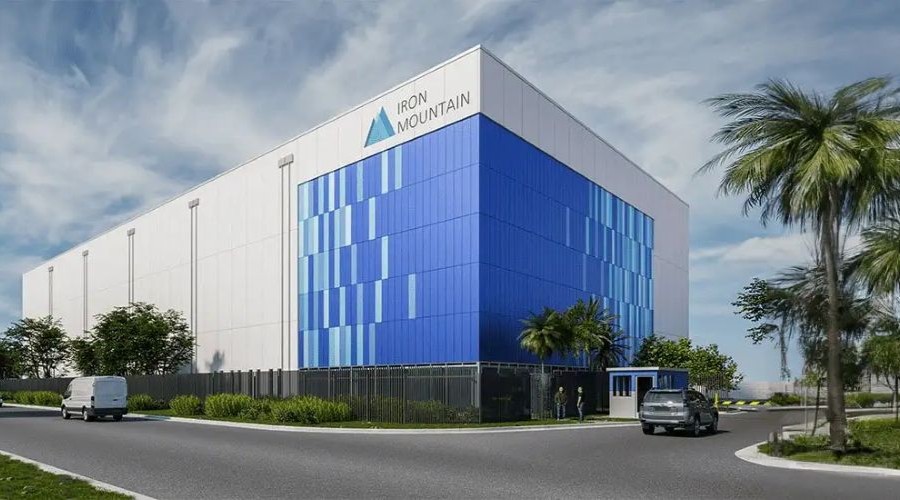
Miami-Dade’s newest projects—including Metrobloks‘ facility near the Everglades, ReadySetFundGrow’s “Fishbowl” micro-data center in Homestead, and Iron Mountain‘s development in northeast Miami-Dade—are designed on a much smaller scale.
Margaret Cook, vice president of water and community resilience at the Houston Advanced Research Center, estimates that all three facilities combined would account for less than 0.2% of Miami’s potable water usage, with some estimates placing consumption as low as 0.05%. According to Cook, the water demand from these projects is comparable to that of several new commercial or residential buildings rather than the massive infrastructure required by hyperscale facilities.
Power Grid Concerns Remain
While smaller data centers require significantly less electricity than hyperscale campuses, experts caution that power demand still deserves attention.
Rachel Mural, a senior research associate at Harvard Kennedy School, noted that large data centers in some parts of the country have contributed to increased strain on electrical grids, requiring costly infrastructure upgrades that can eventually affect consumer utility rates. She believes Miami-Dade’s planned facilities are unlikely to create major grid disruptions on their own. However, clusters of multiple data centers operating together could present challenges because their power usage can fluctuate within milliseconds, placing additional stress on electrical infrastructure and local grid equipment.
Transparency Questions Continue
Despite their smaller footprint, some residents remain concerned about the lack of information surrounding proposed projects.

Iron Mountain’s facility in Miami-Dade’s Westview neighborhood surprised nearby residents, many of whom say they were unaware the project was moving forward because the site was already zoned for industrial use. Under current county regulations, data centers are classified as telecommunications facilities, allowing certain developments to proceed without additional public approvals.
Christine Reichert, a senior attorney with Earthjustice, says developers frequently provide limited information about cooling systems, water consumption, and electricity requirements, making it difficult for communities to fully understand how projects may affect their neighborhoods. She argues that greater transparency should be required before permits are approved, allowing residents and local governments to better evaluate environmental and infrastructure impacts.
Statewide Political Debate
The rapid expansion of AI infrastructure has become a major policy issue in Florida. Gov. Ron DeSantis supported legislation that would have imposed stricter oversight and transparency requirements on large data centers, though lawmakers ultimately passed a scaled-back version of the bill.
The new law requires large-scale data centers to pay the full cost of their electrical demand rather than shifting those expenses to other utility customers. It also mandates public hearings for qualifying facilities seeking water-use permits and requires major water users to utilize reclaimed water when practical. However, those regulations only apply to facilities above a certain size threshold. Because Miami-Dade’s three planned projects fall below that limit, they are not subject to the new statewide requirements.
As AI infrastructure continues expanding, Florida’s debate is increasingly focused on balancing economic development with responsible planning, environmental protection, and greater public transparency.
Source: Miami Herald